Homeschooling affects a child by providing personalized education and enabling greater flexibility in meeting individual learning needs. This alternative educational approach allows children to receive one-on-one attention and tailor their learning experience to their unique strengths and weaknesses.
Additionally, homeschooling allows for a flexible schedule, which can promote a better work-life balance and opportunities for pursuing personal interests and hobbies. It also reduces exposure to negative social influences and potential bullying. However, homeschooling requires much effort and commitment from parents or guardians, as they must take on the role of the primary educator and create a structured learning environment.
Consequently, the impact of homeschooling on a child’s development depends on various factors, including the parent’s teaching abilities, available resources, and the child’s personality and learning style.
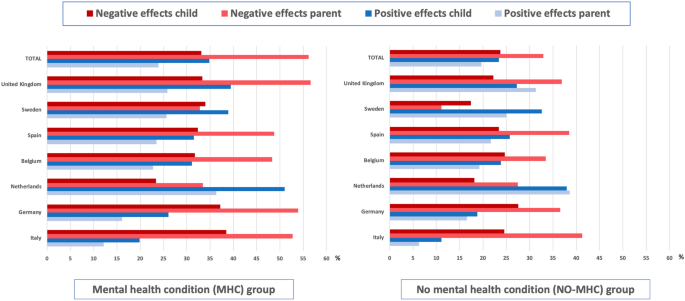
Credit: link.springer.com
Table of Contents
Positive Effects Of Homeschooling
Homeschooling provides a customized learning environment for children, allowing parents to tailor the education to their child’s unique needs and learning style. With one-on-one instruction, children can receive individual attention and support from their parents, fostering a deeper understanding of the subject matter. This personalized approach helps children to excel academically and encourages their intellectual curiosity.
Another advantage of homeschooling is the flexibility in scheduling. Families are not bound by rigid school hours and can adapt the learning schedule to suit their lifestyle. This flexibility allows for more time to pursue extracurricular activities, hobbies, or family commitments. The absence of time constraints can lead to a more relaxed and enjoyable learning experience.
Challenges Of Homeschooling
Homeschooling can have a significant impact on a child’s development, including various challenges that need to be addressed. One of the primary concerns of homeschooling is the limited social interaction a child may experience. Without regular exposure to peers, children may find it challenging to develop necessary social skills. Potential isolation is another challenge that homeschooling